Bengaluru
08048035795
+919341960055

Fixotech Engineering Systems Pvt Ltd

about-cover-bg image
About Fixotech Engineering Systems Pvt Ltd: Manufacturer of Cable Management Systems

Your Trusted Cable Tray Manufacturing Partner

Products
Featured Products

What We Do

product image
LADDER CABLE TRAY

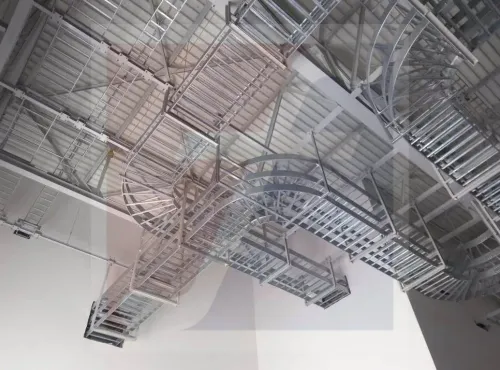
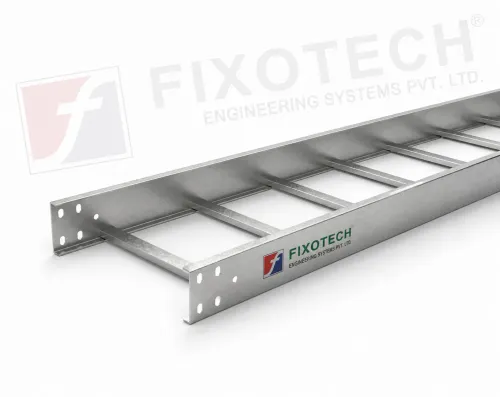
Other common name in Cable tray industry is ladder tray. Simple design consisting of side rails with rungs connected. The rungs are perforated, which makes it easy to fasten cable ties or cable cleats directly onto the ladder. Suited for electrical, instrumentation and telecommunications cables. Ladder cable trays are made of either welded or bolted construction, depending on how the tray's constituent parts are fastened together. Welded Ladder Cable Tray: Usually, the side rails and rungs of welded ladder cable trays are welded together at their junction places. This eliminates the need for additional fasteners or connectors and produces a strong, long-lasting framework. In heavy-duty industrial applications where additional strength and stability are needed, welded trays are frequently the favoured option. Bolt able Ladder Cable Tray: In contrast, bolts, nuts, and washers are needed to assemble bolt able ladder cable trays. Every part of the tray, including the rungs, rails, and any extra fittings, is made with pre-drilled holes at key locations. These holes give installation flexibility and enable necessary alterations or modifications by facilitating the easy connection of the components utilizing bolts and screws. However, the accessories Eg. Bends etc., for bolt able type tray also will be welded. Depends upon customer requirement number of cross rungs can be increased the most running specifications are with rungs spaced at 300 c/c at equal distance. Each type of ladder cable tray—welded or bolt able—has advantages of its own and is selected according to project parameters, installer preferences, installation constraints, and the environment in which the trays will be utilized.

product image
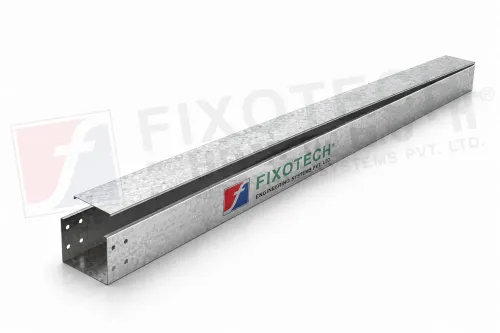
RACEWAY CABLE TRAY - CEILING RACEWAY

A cable management system made especially for routing and arranging cables over ceilings or overhead spaces is called a ceiling raceway cable tray. Below is a summary of its salient attributes: Design: Flat, enclosed channels or troughs that attach straight onto the ceiling surface are the standard feature of ceiling raceway cable trays. They give cables a safe route to go over ceilings, keeping them arranged and safe from harm. Enclosed Design: Ceiling raceway trays are enclosed to offer more protection and visual attractiveness than open cable trays, which expose cables from all sides. In addition to keeping cables hidden, the enclosure guards against manipulation and unintentional dislodgement. Mounting: Brackets, clips, or other mounting gear are typically used to place ceiling raceway trays straight onto the ceiling surface. Depending on the exact installation needs, they can also be suspended from the ceiling using wire hangers or other suspension systems. Accessibility: A lot of ceiling raceway trays have detachable covers or access panels that make it simple to get to the wires for maintenance, installation, or troubleshooting. In order to ensure that cables can be managed effectively without interfering with the overall cable system, accessibility is crucial. Versatility: Ceiling raceway trays are adaptable and can be utilized in a range of locations, including workplaces, retail stores, medical facilities, educational institutions, and industrial facilities, where overhead wire management is necessary. To meet varying cable types and installation requirements, they come in a variety of diameters, materials, and configurations. Integration: To establish a comprehensive cable management solution for the entire building or facility, ceiling raceway trays can be connected with other cable management systems, such as floor raceways, wall-mounted raceways, and cable trays. All things considered, ceiling raceway cable trays offer a useful and effective way to manage cables along ceilings, keeping things looking neat and orderly while guaranteeing the secure and dependable operation of data, communication, and electrical systems.

product image
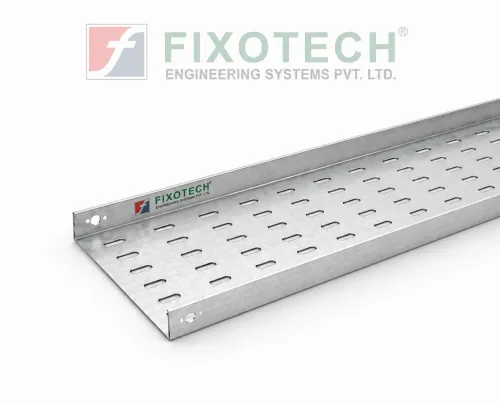
PERFORATED CABLE TRAY

Perforated Tray In electrical systems, a perforated cable trayeither with or without coversis a typical part used to support and arrange cables. Let's examine the distinctions: 1. Perforated cable tray without cover: This kind of cable tray has numerous holes or perforations on the sides and bottom of the tray. It facilitates heat dissipation and air circulation while supporting cables. The lack of coverings makes cables readily accessible for upkeep or adjustments. Less defence against environmental elements like dust, dirt, or unintentional touch results from this, though. 2. Perforated Cable Tray with Covers: This sort of tray has removable covers that may be placed over it, in contrast to an open design of a tray without covers. The coverings give the cables additional defence against the elements, physical harm, and unwanted access. Additionally, they aid in containing any possible fire threats. But the coverings could block airflow, which could raise the temperature within the tray—especially if the cables heat up a lot. The following are some typical finishes for cable trays: 1. These type by cable trays are made from pre galvanized steel sheet where in a layer of zinc as applied at sheet manufactures end. These trays are most suitable for indoor application.. 2. Powder Coating: To provide a strong and long-lasting finish, a dry powder is applied to the cable tray's surface and heated to cure it. Excellent resistance to abrasion, chemicals, corrosion, is provided by powder-coated cable trays. They offer versatility in terms of design and aesthetics because they come in an extensive array of hues and textures. In commercial and architectural settings where endurance and aesthetic appeal are crucial, powder-coated cable trays are frequently utilized. 3. Stainless Steel Finish: Because of the composition of the material, stainless steel cable trays naturally offer corrosion resistance. Stainless steel trays are appropriate for harsh settings where chemical or temperature resistance, hygienic conditions, and cleanliness are vital. They could have a brushed or polished surface for increased visual appeal and longevity. Pharmaceutical facilities, cleanrooms, and food processing plants all frequently use stainless steel cable trays. 4. Galvanization via Hot-Dip: By submerging the cable tray in molten zinc, a process known as “hot-dip galvanization,“ a thick, resilient layer that guards against corrosion on the steel is produced. This coating offers superior resistance to rust, abrasion, and other types of corrosion since it is metallurgically bound to the steel substrate. For exterior applications and locations subject to dampness, chemicals, marine, and inclement weather, hot-dip galvanized cable trays are perfect.

Case Studies

Checkout Our Projects

1

PROJECT DONE

22

HAPPY CLIENTS

Image Gallery

Pictures That Speak

Have any custom requirements?